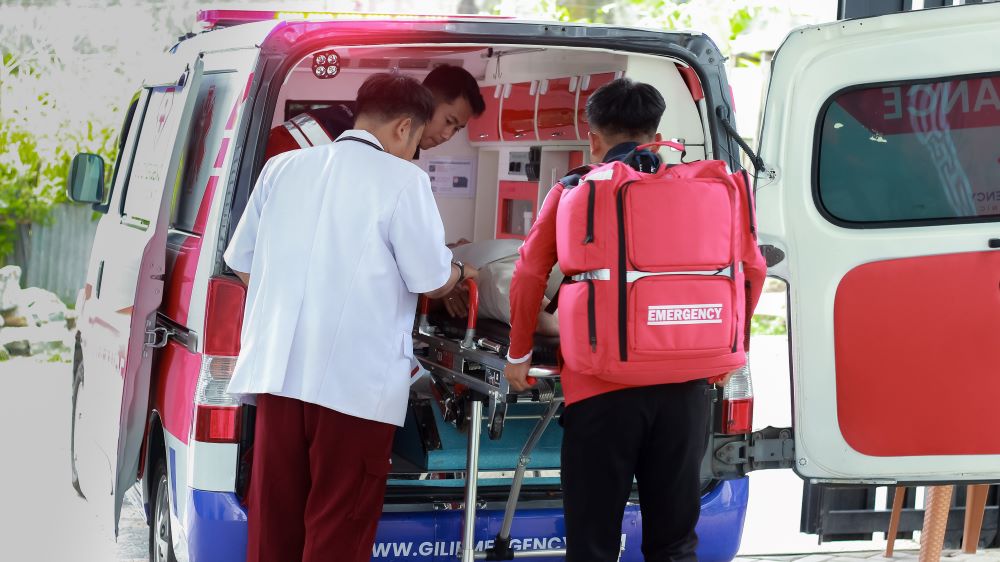
The first time I hopped between Lombok and the Gili Islands, I was only thinking about two things: clear water and good coffee. I remember arriving on Gili Trawangan, dropping my bag, renting a bicycle, and basically forgetting the rest of the world existed. No cars, soft sand roads, music from beach bars, and that lazy island rhythm that makes you instantly relax.
After a few trips, though, I started to notice something a bit different. Behind the scenes of all that easygoing island life, there are people working quietly to make sure visitors feel safe — especially when it comes to medical help. That’s when I first got curious about how fast the Gili Islands ambulance service actually is, and how everything works when you need help in a place with no cars and only small boats connecting you to Lombok.
Staying relaxed when you’re far from the mainland
When you look at a map, Gili Trawangan, Gili Air, and Gili Meno are just tiny dots off the coast of Lombok. That’s exactly what makes them so special. But being on a small island also means you’re not around big city hospitals, and I think every smart traveler eventually has that little thought: “If something happens, how quickly can someone reach me?”
You might never need it, and most people don’t, but knowing there’s reliable island emergency medical response available changes how you feel. You can still snorkel, dive, cycle around Gili T, or wander the quiet paths of Gili Meno, but there’s a calm feeling that comes from knowing there’s a plan if you suddenly need medical support.
For me, that’s part of mature travel now. I still want the fun, but I also want to know there’s a fast ambulance response in Gili Trawangan and easy access to help from Lombok if it’s ever needed.
Getting to know Gili Emergency
On one of my stays, I kept hearing the same name when people talked about safety and medical help on the islands: Gili Emergency. A dive shop had their contact on the wall, a villa host mentioned them during check-in, and a local friend said, “If you need anything serious, that’s the team people call.”
They’re not just sitting around waiting for big events; they’re constantly ready, making sure that when someone needs help, the whole chain moves quickly: from your hotel, restaurant, dive center, or beach spot, all the way to proper medical care in Lombok. That’s where response time really matters — how fast they can reach you, stabilize you, and get you moving in the right direction.
I like that they understand island life from the inside. They know which parts of Gili T get busier at night, which corners of Gili Air are more remote, and how to coordinate transport when there are no cars and everything runs on boats and small vehicles. It’s a very different feeling from being in a big city; the system is built around the sea, tides, and island routes.
What “response time” actually looks like on the Gilis
When people hear “ambulance”, they often imagine sirens, big city roads, and traffic jams. On the Gili Islands, it looks a bit different, but the idea is the same: reach you quickly, keep you safe, and move you efficiently toward better care if needed.
Typically, the process goes something like this:
- Someone contacts the emergency team — a friend, hotel staff, dive instructor, or you directly.
- The Gili Emergency team asks focused questions to understand what’s happening and where you are on the island.
- They move fast to reach you, using the most practical route based on your location.
- If necessary, they coordinate boat transport and ambulance support on the Lombok side.
At some point, when I started paying attention to how it all works, I realised that the real magic is in organization. It’s not just “an ambulance”; it’s a whole network of Lombok and Gili emergency support that knows who to call, which boat to use, and how to prepare the next step before you even arrive.
In conversations with locals, you can already see how important Gili Islands ambulance response time is for keeping everything smooth for visitors, especially when you’re moving between Gili Trawangan, Gili Air, and Gili Meno in a single trip and want to feel comfortable wherever you end up at sunset.
Why fast ambulance support matters on a small island
You might be thinking, “I feel healthy, I’m just here to relax — why think about ambulances at all?” Honestly, I had the same mindset on my first visits. Then I realised travel is about more than just photos and plans; it’s also about being prepared enough that you don’t have to worry.
When you know there’s a 24/7 Gili ambulance team ready to move quickly, something shifts in your mindset. You become more relaxed, not less. You say yes to a sunrise hike or a late-night bike ride around Gili T because you know there’s a system in place, not just good vibes.
And speed is a big part of that confidence. A well-coordinated Gili Islands ambulance service doesn’t only mean fast arrival; it means every minute is used efficiently, from the first call to the moment you reach a clinic or hospital.
How I travel “prepared but relaxed” on the Gilis
I’m not one of those travelers who carries a giant medical kit everywhere. I like to keep things simple, but over time I developed a few small habits that make me feel more secure when I’m spending a week between Lombok and the Gili Islands:
- I save the Gili Emergency contact number on my phone before I even leave the mainland.
- I usually send it to whoever I’m traveling with, just in case one of us needs it quickly.
- At check-in, I pay attention when staff explain where the nearest clinic is.
- If I’m planning a day on Gili Meno or a long snorkel session on Gili Air, I just mentally note where I’m staying and how to describe it quickly if I ever need to call.
It’s a very light system, nothing heavy or complicated, but it means that if I ever need island emergency medical response, I’m not starting from zero. Everything is one step faster just because I’ve thought about it for a few minutes.
The quiet comfort of a strong support system
One of the things I appreciate most about Gili Emergency is that you don’t see them everywhere, but you feel their presence through little signs — their contact pinned on a notice board, their name mentioned by staff, or just the way locals talk about them with respect.
When people who live and work on the islands trust a particular team for quick medical evacuation from the Gilis, that says a lot. Locals see everything: day, night, high season, low season. If they keep recommending the same people, it’s usually for a good reason.
So while you’re planning beach clubs in Lombok, sunset spots on Gili Trawangan, quiet corners on Gili Meno, and chilled cafés on Gili Air, it’s worth adding one more simple note to your plan: there is a professional, well-organized ambulance system ready to move quickly if you ever need it. You probably won’t, but knowing it’s there lets you focus on what really matters — those slow mornings, long swims, and golden-hour bike rides around the island path, feeling safe and completely present in your Gili adventure.